Discovering Legittimo Vila Romana
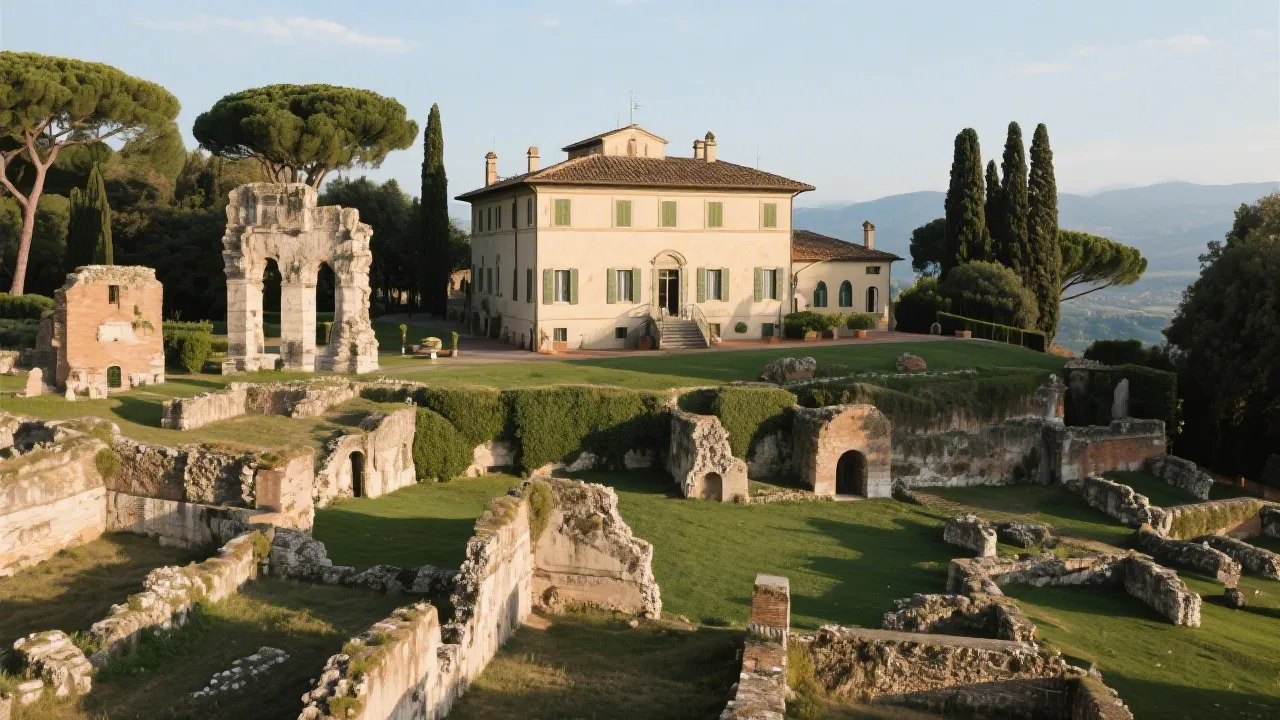
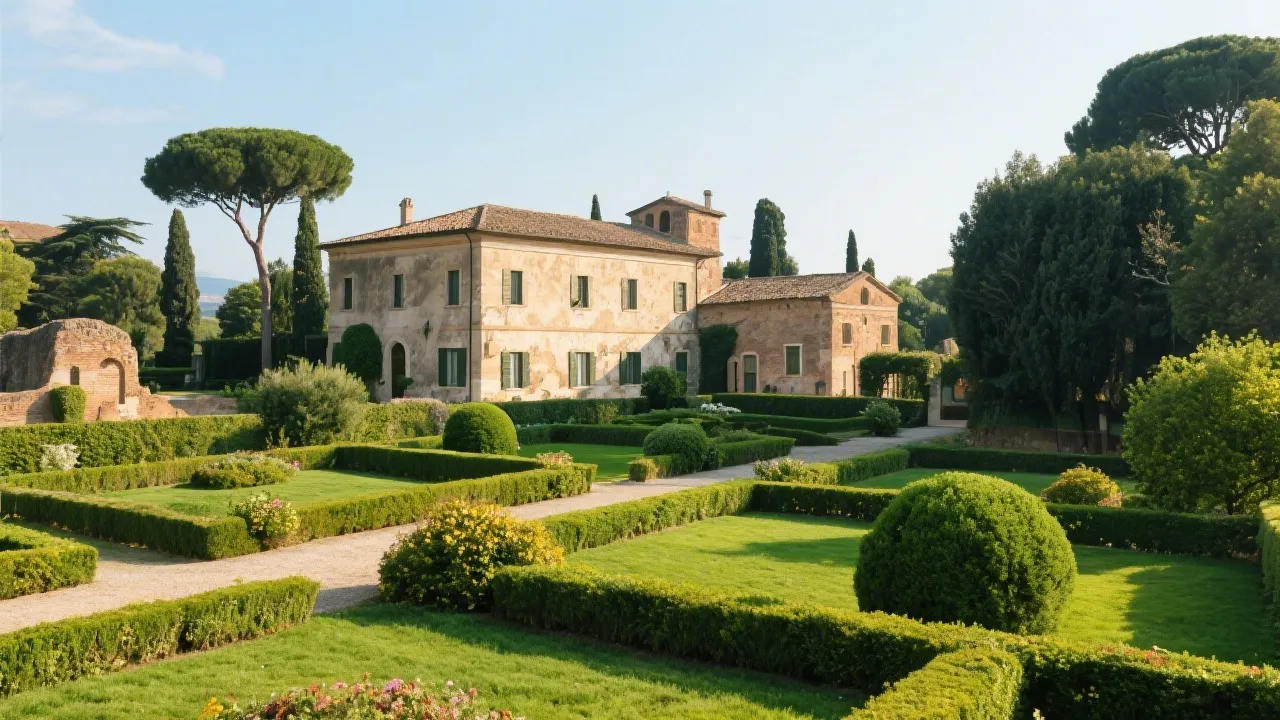
Legittimo Vila Romana offers a glimpse into the opulence and beauty of ancient Roman architecture and lifestyle. These villas, often nestled in lush landscapes, exemplify both luxury and sophistication. Exploring their design, cultural significance, and the craftsmanship involved provides insights into the grandeur of ancient Rome.
Legittimo Vila Romana: A Glimpse into Roman Elegance
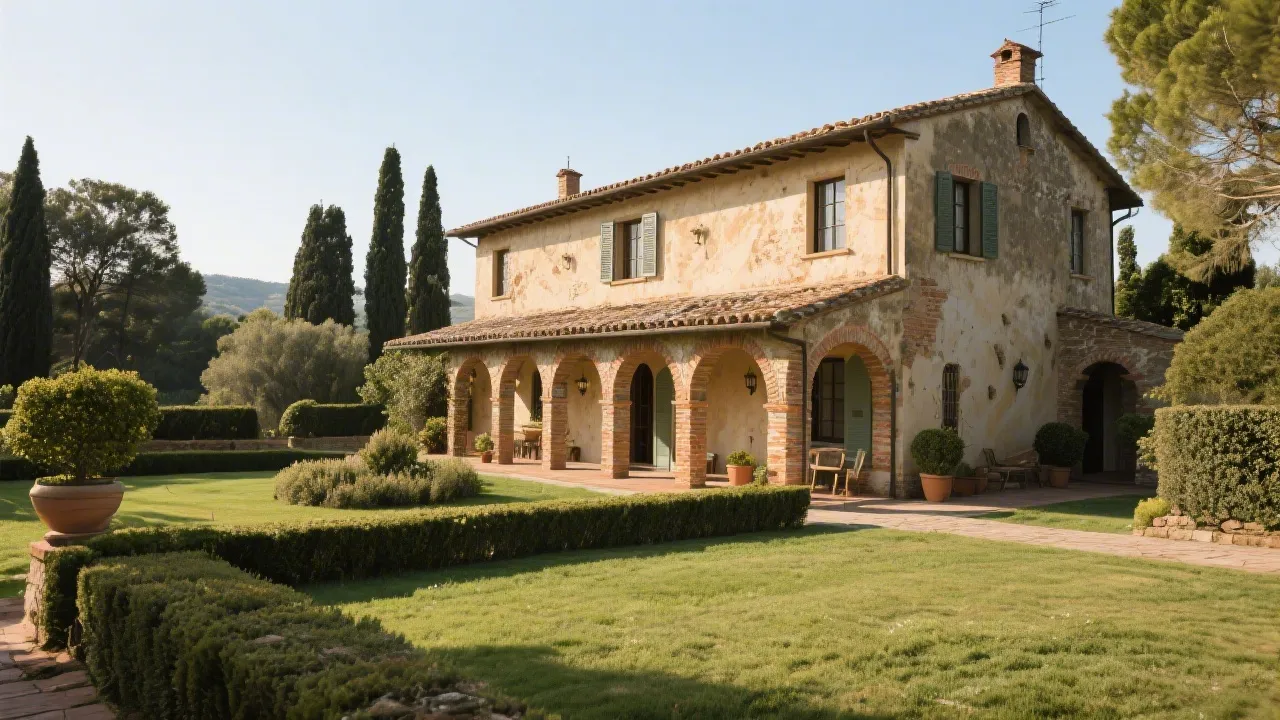
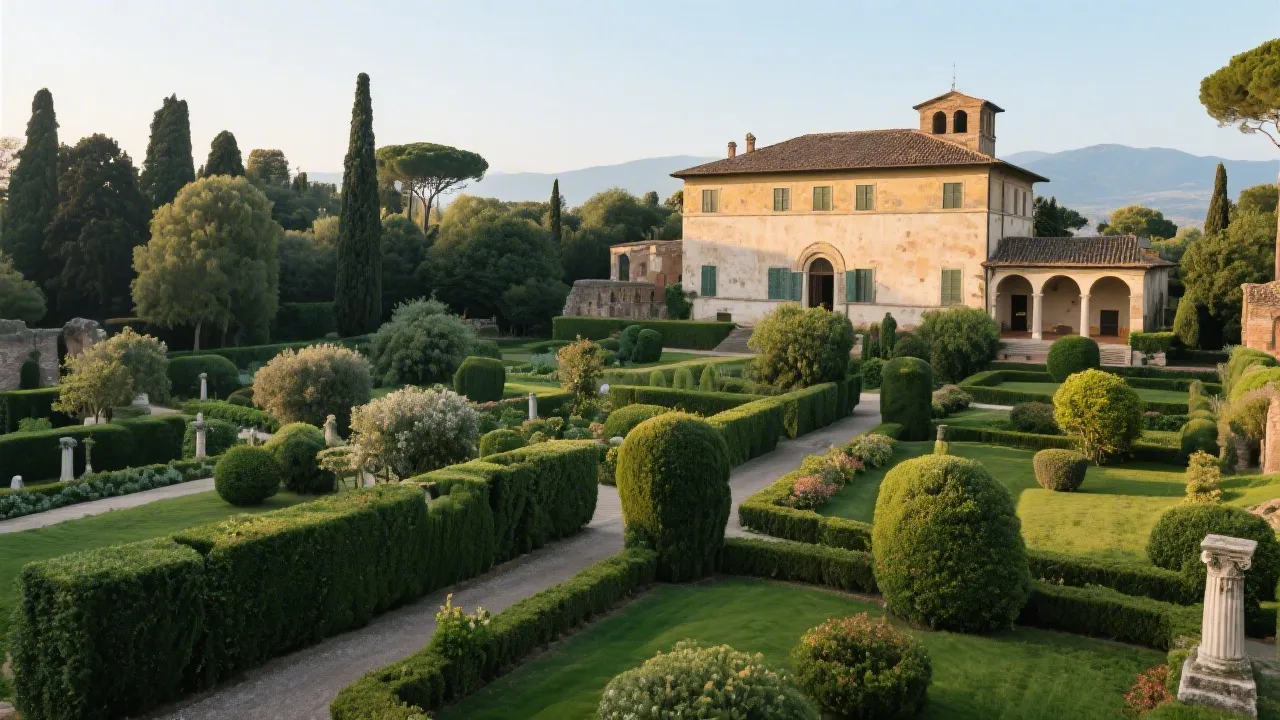
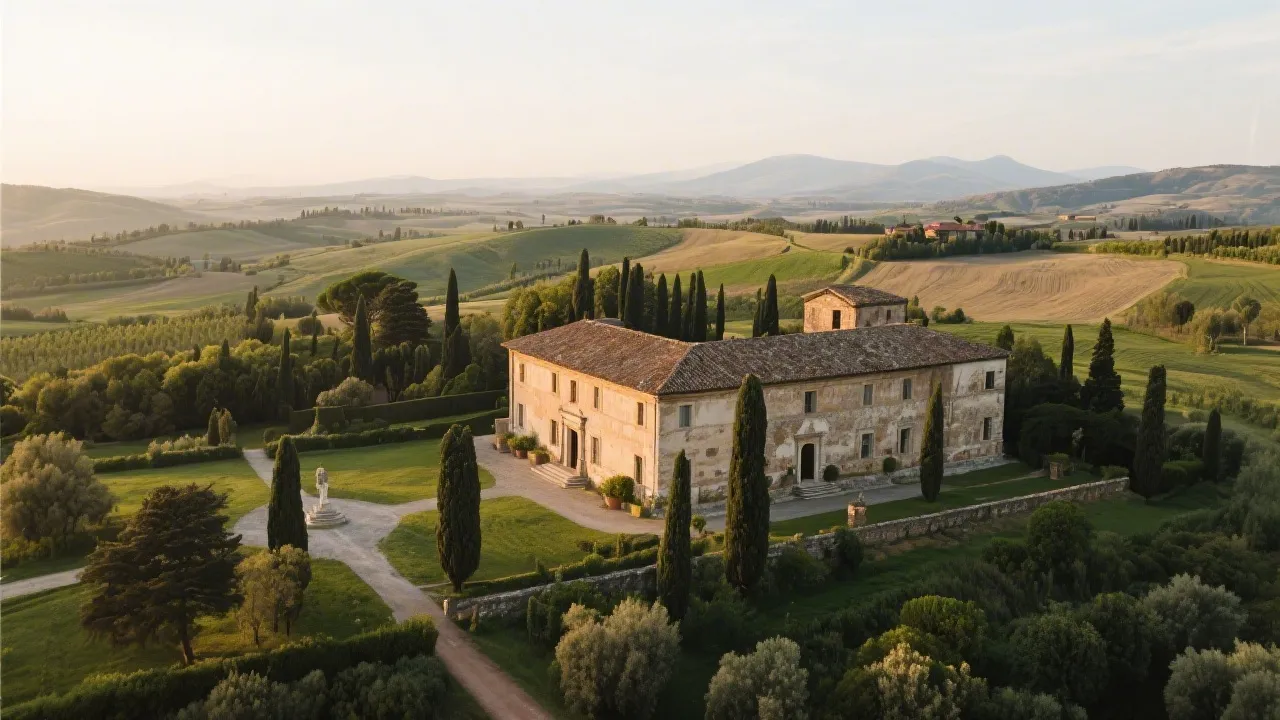
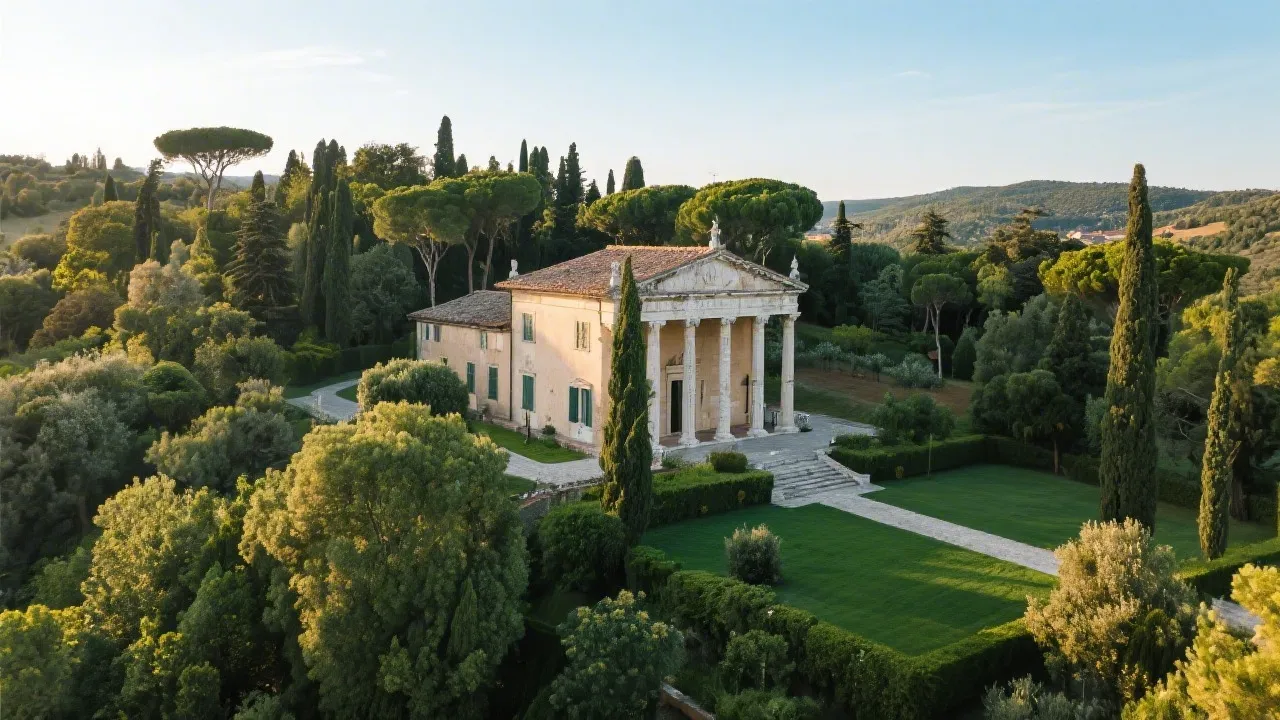
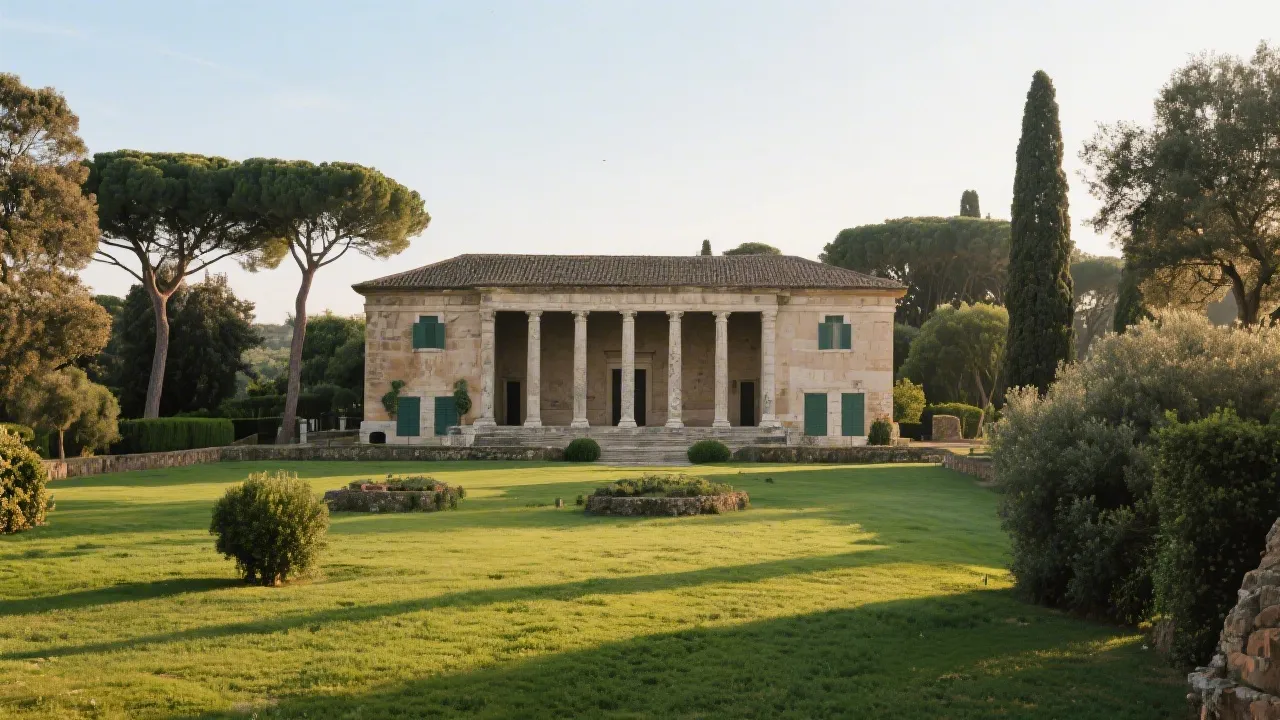
Legittimo Vila Romana represents the majestic allure of ancient Roman villas, a testament to the lifestyle and architectural dexterity of the era. Characterized by intricate mosaics, sprawling gardens, and meticulously crafted structures, these villas offer a vivid portrayal of Roman aesthetics and social customs. Situated often in picturesque locales, these structures were designed as retreats that epitomized prosperity and architectural prowess. The very essence of the Legittimo Vila Romana invites exploration not only of its physical beauty but also of its role within the context of Roman society and culture. It stands as a formidable reminder of how art and life intertwined in one of history's most influential civilizations.
The Architectural Grandeur
Roman villas, particularly the legittimo types, were symbols of wealth and leisure. Their architecture reflected a sophisticated understanding of design and functionality. A typical layout included multiple courtyards, or atrium, around which various rooms were arranged. Each aspect of a villa was thoughtfully planned to facilitate luxurious living while showcasing the owner's prosperity. The use of high-quality materials was paramount. Marble, elaborately carved columns, and decorative elements like frescoes and stucco work highlighted the artistic inclinations of the time. The design often entailed innovations, including advanced techniques in structural engineering that allowed for expansive and open interiors combined with natural light and ventilation.
Moreover, the arrangement of spaces within these villas also mirrored social hierarchies and cultural norms of the time. The tablinum, or reception room, served as a crucial space where the villa owner interacted with guests and conducted business. The layout of the villa often ensured that the most important spaces enjoyed views of the surrounding gardens or landscapes, further enhancing the experience of living in such grandeur. Detached gardens, complete with ornamental features like fountains and statues, highlighted the importance of nature and leisure in Roman life.
Culture and Historical Significance
These villas were not only residences but also centers of cultural and social life. They served as venues for gatherings, discussions, and engagements in leisure activities like hunting or horticulture. Over time, the villa evolved, influenced by various cultural exchanges throughout the Roman Empire, integrating both local and imported styles. The widespread admiration for these structures led to their enduring legacy in architecture, influencing various designs in subsequent histories. Insights gleaned from the artifacts and frescoes found within these villas have helped historians piece together the social fabric of the time, revealing insights into the day-to-day lives, religious beliefs, and even the culinary habits of ancient Romans.
Additionally, these villas often served as sites for agricultural innovation. The Romans invested significantly in the development of farming techniques, and many villas were accompanied by vast estates that produced wine and olive oil, staples in the Roman diet. Archaeological findings have frequently illuminated crop remains and tools used for cultivation, providing a glimpse into the agrarian backbone of the Roman economy that supported the opulence celebrated within their villas.
Art: A Reflection of Roman Aesthetics
The artistry found within Legittimo Vila Romana is not merely decorative; it carries with it cultural narratives and deep symbolism. Mosaics depicting mythological figures, historical events, and pastoral scenes adorn floors, reflecting themes of abundance and beauty that were highly esteemed in Roman society. These works were not only skillfully executed but also catered to the tastes and values of elite patrons, ensuring that the artistic endeavors were both personal and public in their significance.
Frescoes painted on walls offered a glimpse into the decorative preferences, often showcasing vibrant colors and intricate designs. Common themes included landscapes, daily life, and depictions of deities, indicating the blend of the sacred and secular that characterized Roman art. Such works drew inspiration from earlier Hellenistic traditions while integrating distinctly Roman elements, thus yielding a unique artistic style that was celebrated for its realism and emotional expression.
Preservation and Modern Appreciation
The preservation of Legittimo Vila Romana sites is crucial for cultural heritage and archaeological studies, offering valuable insights into the past lifestyle and ingenuity. Today, they attract archaeologists and tourists alike, drawn to their historical and aesthetic value. Numerous preservation efforts are in place, aiming to maintain the authenticity and integrity of these structures while enabling public access and engagement. Organizations dedicated to the study of ancient architecture work tirelessly to ensure that excavated sites are not only protected but also contextualized for educational purposes, allowing visitors to appreciate their significance fully.
Modern technology plays an increasingly pivotal role in the preservation of these ancient sites. Techniques such as 3D scanning and digital mapping are becoming standard practices in archaeology, allowing for detailed documentation of the physical state of Roman villas. These methods provide an invaluable resource for future restoration projects and for those seeking to study the architectural details more closely. Beyond academic circles, virtual tours of these villas have made them accessible to a broader audience, bridging the gap between ancient history and contemporary culture.
| Feature | Details |
|---|---|
| Architectural Style | Roman, with influences from various parts of the Empire. |
| Materials Used | Marble, stone, and stucco, often finely crafted for luxury. |
| Cultural Role | Social gatherings, art patronage, and cultural exchanges. |
| Preservation Efforts | Archaeological preservation and restoration projects. |
| Historical Significance | Insights into Roman lifestyle and socio-economic structure. |
| Artistic Features | Mosaics, frescoes, and decorative sculptures reflecting Roman aesthetics. |
| Innovative Techniques | Advanced building methods integrating light and indoor gardens. |
FAQs
- What is the significance of Legittimo Vila Romana? These villas provide valuable insights into the luxurious lifestyle and architectural innovation of ancient Rome, affirming their status as cultural landmarks.
- How are these villas different from other Roman homes? They were typically grander, with more elaborate designs and functionalities, serving not just as homes but as cultural hubs where art and social life flourished.
- Where can one find these villas? They are often found in historically rich areas near major ancient Roman cities and archaeological sites, serving as pivotal markers in the preservation of Roman history.
- What are some key architectural elements of these villas? Notable features include expansive courtyards, intricate mosaics, and well-preserved frescoes, all crafted to reflect a standard of living that was both artistic and opulent.
- What innovations did the Romans implement in their villa architecture? Innovations included the use of concrete for stronger structures, water systems for fountains and baths, and efficient layouts that maximize natural light and ventilation.
- What role did these villas play in the wider Roman economy? Many villas were associated with agricultural productivity, particularly in the production of wine and olive oil, thus positioning them as economic centers within the larger imperial framework.
Legittimo Vila Romana remains a profound example of Roman architecture and lifestyle, offering rich historical and cultural insights. These majestic structures not only depict the aesthetic brilliance of the past but continue to inspire contemporary design and cultural appreciation. Preserving these sites ensures that future generations can engage with this significant aspect of our global heritage. While current efforts focus on safeguarding these sites from natural decay and modern encroachment, ongoing dialogue within the archaeological community emphasizes the importance of contextualizing these spaces to enhance public understanding and appreciation.
In a world increasingly focused on rapid urbanization and technology, the Legittimo Vila Romana provide a tranquil reminder of a time when architecture seamlessly integrated with nature and community. The harmonious landscapes surrounding these villas served not only as aesthetic enhancements but also as reflections of the philosophical ideals held by the Romans concerning beauty and order. By examining these legacies, we can draw parallels to modern discussions surrounding sustainable architecture and landscape design, finding ways to incorporate the lessons of the past into the fabric of our future cities.
Modern Implications of Ancient Design
As urban centers continue to expand and evolve, the principles observed in the legittimo villas can inspire contemporary architects and urban planners. Concepts such as blending indoor and outdoor spaces, communal areas for gathering, and utilizing natural light can all be traced back to these ancient precedents. The resurgence of interest in sustainable living brings with it a renewed focus on the use of natural materials and eco-friendly designs that are a hallmark of Roman engineering.
Furthermore, the integration of technology in preserving and studying these sites opens new pathways for education and community engagement. The application of augmented reality (AR) has the potential to transform the visitor experience, allowing individuals to see reconstructions of the villas in their prime and interact with historical narratives in an immersive way. By connecting past and present through technology, there is an opportunity for a greater appreciation of cultural heritage in a manner that resonates with today's audience.
Exploration of the Roman Lifestyle
Visiting Legittimo Vila Romana provides a unique lens into the quotidian lives of ancient Romans. The scale of these villas suggests a lifestyle intertwined with leisure, culture, and productivity. Encompassing spaces for dining, recreation, and artistic pursuits, these villas were designed to cater not only to the physical needs of their inhabitants but also to their desires for beauty, social interaction, and cultural enrichment.
Research and excavations have also uncovered the culinary practices of the time, revealing the kinds of foods that were prepared within these grand kitchens and highlighting the social functions of dining. Screw-pump systems and other innovations in food production are indicative of a society where gastronomy was celebrated. As remnants of amphorae and other cooking instruments are studied, modern gastronomy finds inspiration in the ancient recipes and dining customs that thrived in these luxurious settings.
Conclusion: The Legacy of Legittimo Vila Romana
Ultimately, Legittimo Vila Romana stands as a testament to the richness of Roman civilization—it encapsulates art, architecture, cultural exchanges, and community life in a way that continues to resonate today. As we strive to understand this remarkable heritage, it becomes clear that these villas were more than mere buildings; they were embodiments of the philosophies, aesthetics, and social dynamics of their time.
The ongoing preservation efforts, research, and modern-day innovations ensure that the story of these ancient structures doesn't fade with time. Each generation has the opportunity to discover and engage with the world that once thrived within the walls of Legittimo Vila Romana, and in doing so, attendees of modern culture can forge connections with their own identities and communal values. Embracing the lessons from the past is crucial as we build a future that honors the interplay between humanity, nature, and the legacy of art and architecture.
Thus, as we walk among the ruins and restored sections of these impressive villas, we are reminded not only of the grandeur of Roman life but also of the enduring spirit of innovation and artistry that defines the best of human achievement. Legittimo Vila Romana is not just a relic of history; it is a living narrative that invites exploration, reflection, and inspiration across the ages.