Discovering Vivanti Vila Romana
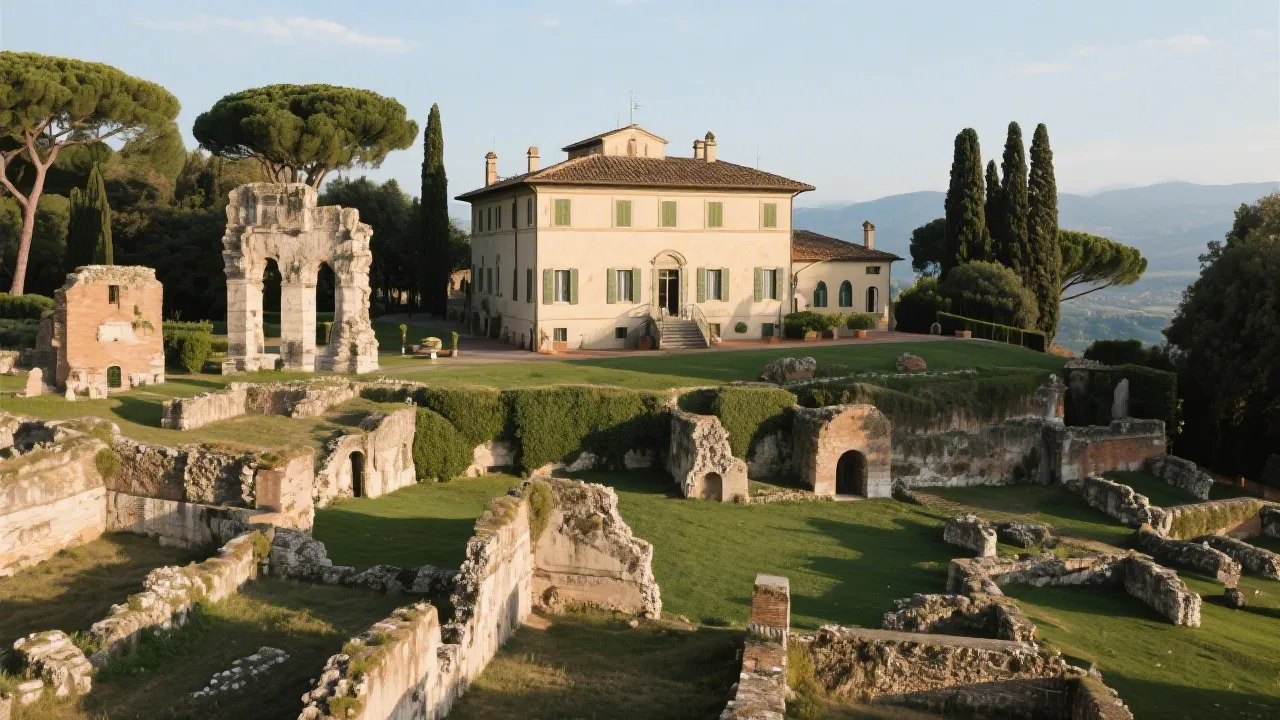
Vivanti Vila Romana stands as a testament to architectural elegance and cultural heritage. This article delves into the essence and historical significance of the structure, providing an engaging overview of its importance in the Italian landscape. Learn why this landmark commands admiration from both tourists and scholars.
An Introduction to Vivanti Vila Romana
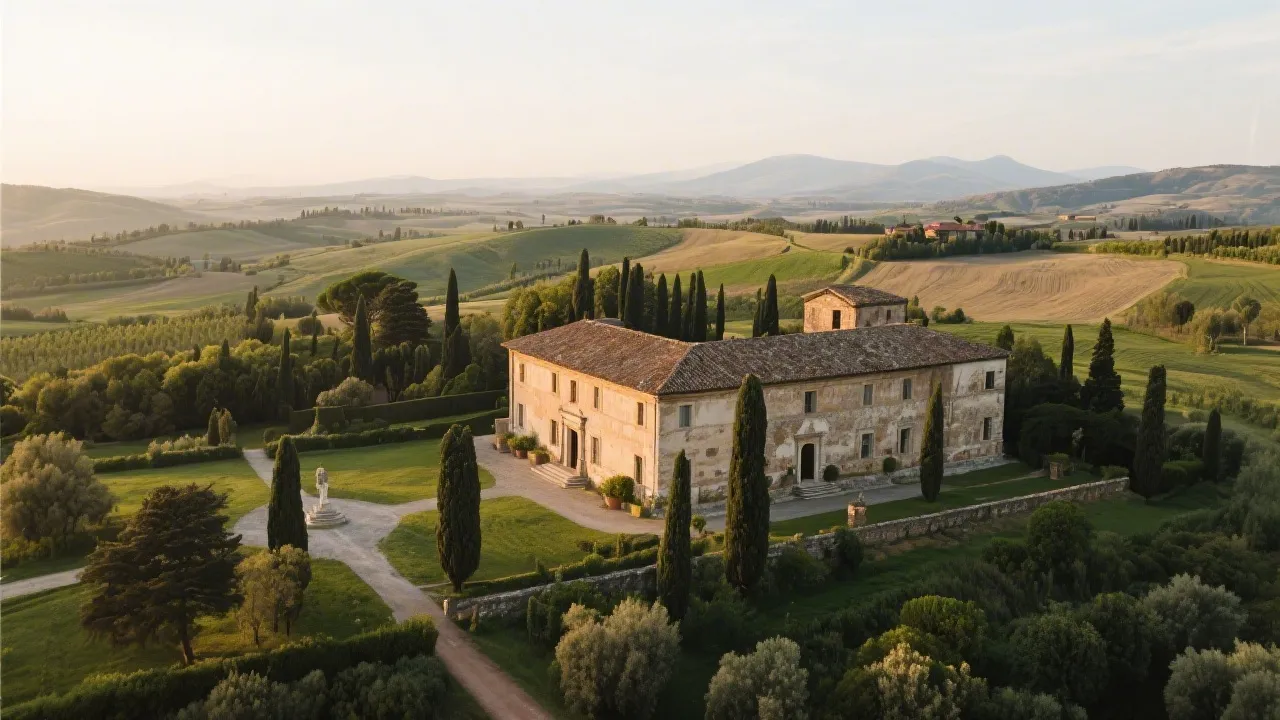
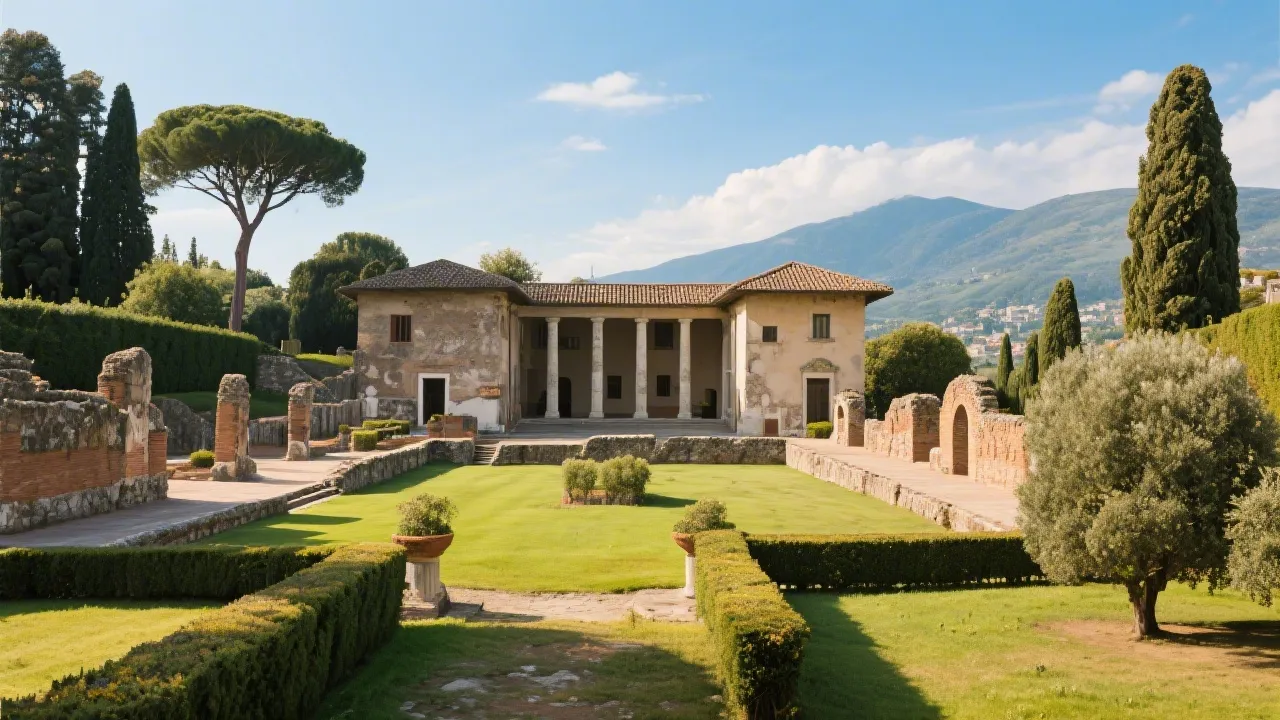
Nestled in the heart of Italy, Vivanti Vila Romana is more than just a piece of historical architecture; it embodies a rich tapestry of cultural narratives and artistic endeavors. As one walks through its majestic corridors, the ambiance transports you to a time where elegance met ingenuity. The villa is emblematic of the aesthetic values and craftsmanship of its era, making it an essential site for historians and architects alike. This article aims to explore the various aspects that make Vivanti Vila Romana a landmark of profound significance.
History and Architectural Brilliance
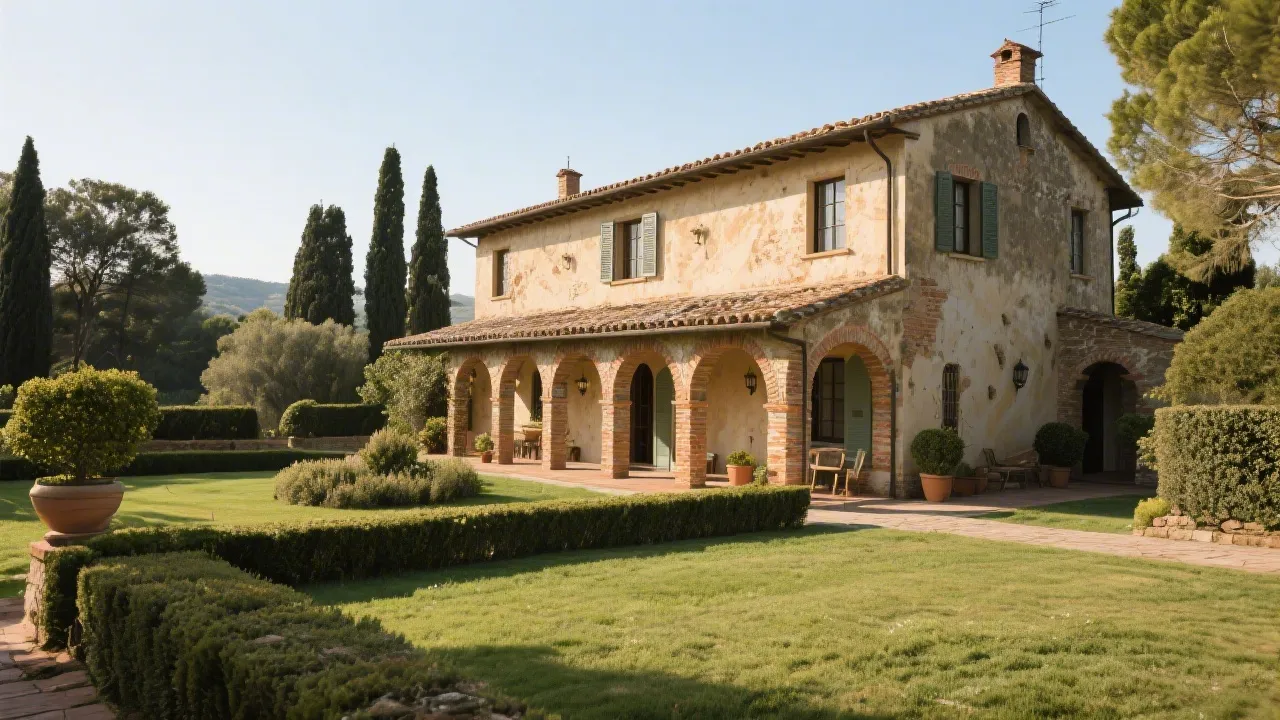
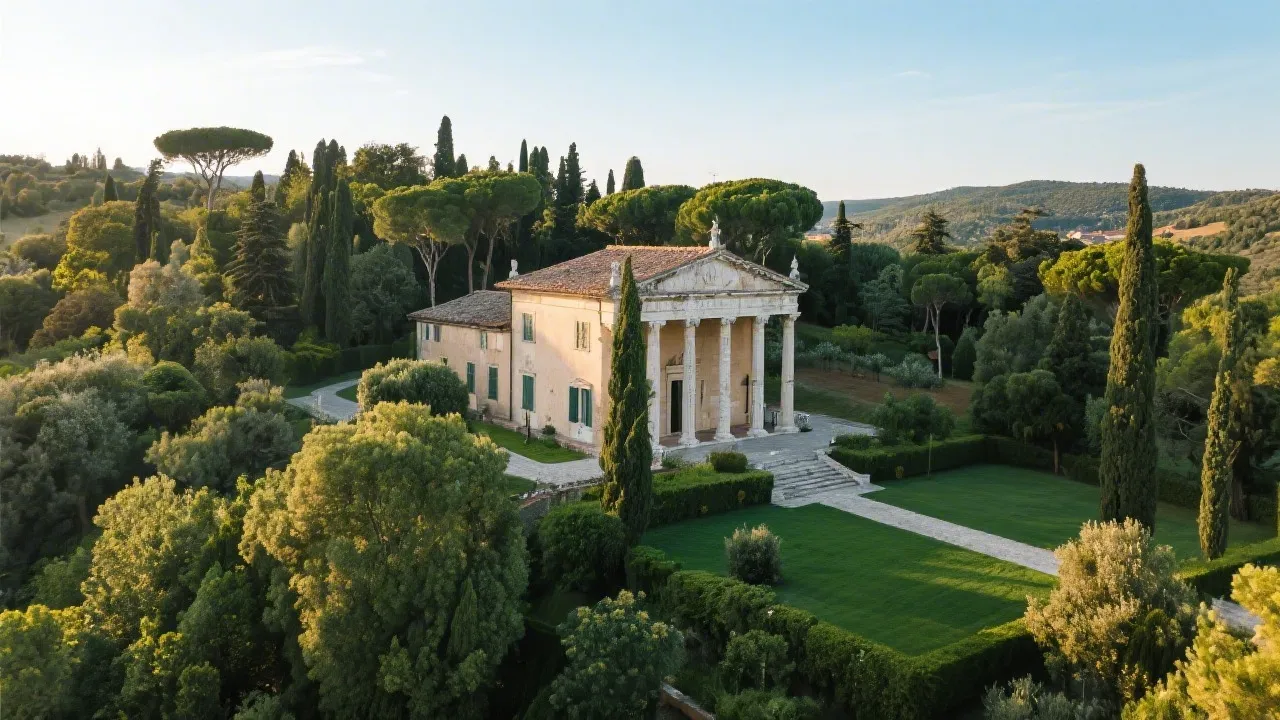
The history of Vivanti Vila Romana is a narrative interwoven with the threads of time, where each corner and crevice tells a story of its own. Originally constructed as a luxurious retreat for the elite, the villa showcases a harmonious blend of Roman architectural elements and a distinctive style that reflects the confluence of various cultural influences across periods. Its grandeur is visible in the intricately carved pillars, expansive frescoes, and its strategic alignment with the natural landscape surrounding it. These elements not only highlight the architectural intelligence of the designers but also speak volumes of the societal norms and values prevalent during its inception.
For example, the choice of materials and construction techniques provides insights into the resources available at the time, as well as the skills and artistry of the workers. The villa’s design draws upon both traditional Roman techniques and influences from the Byzantine and Renaissance styles that emerged subsequent to its construction. This interplay of styles can be seen in the villa’s frescoes, which depict mythological scenes and historical events that were significant to the patrons of the villa.
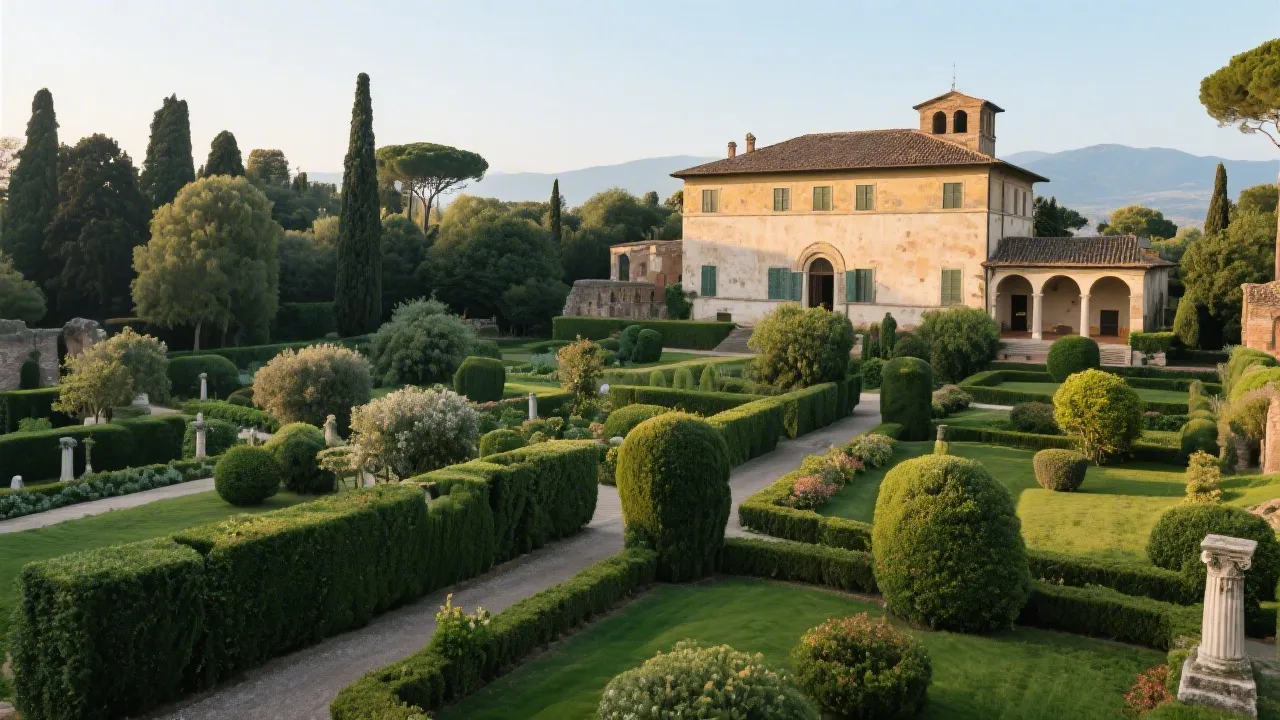
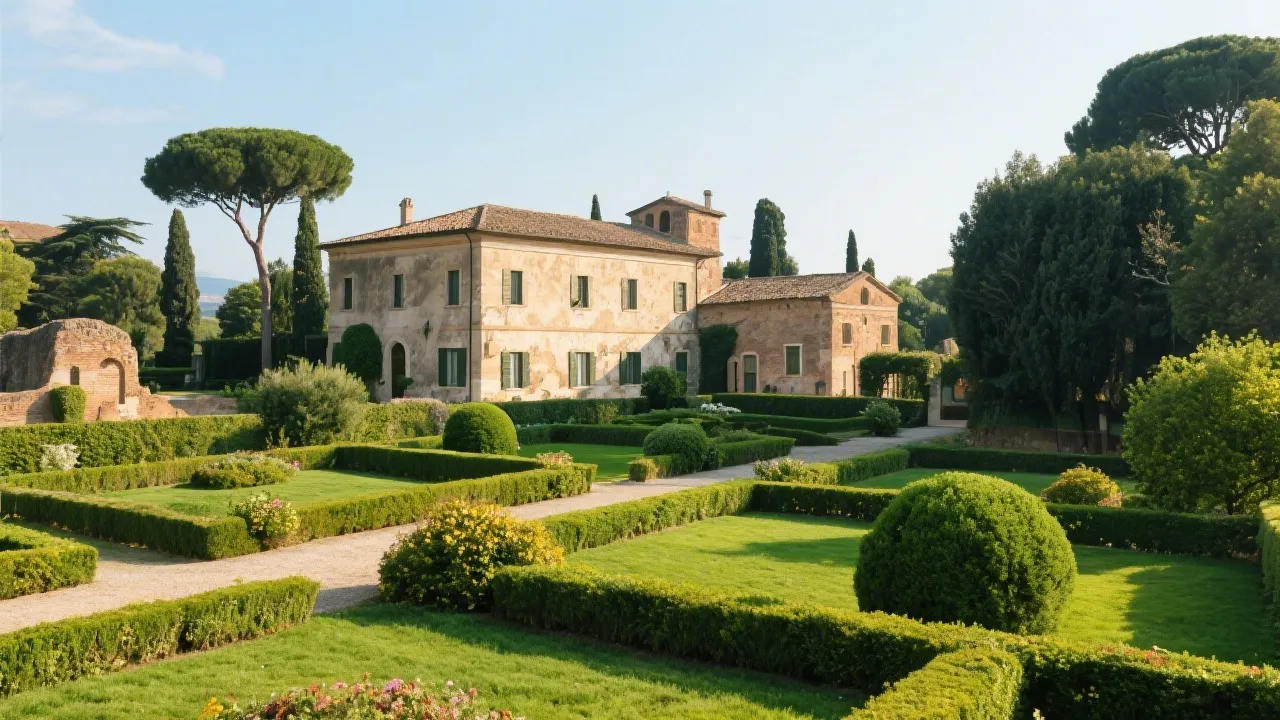
Throughout its lifetime, Vivanti Vila Romana has undergone various modifications and restorations, each influenced by the prevailing artistic movements and historical contexts of the time. These changes reflect not only the tastes of the different occupants but also the practical needs of each period. For instance, during the renaissance, the addition of gardens and terraces not only enhanced the aesthetic appeal but also ensured the villa's harmony with nature, emphasizing the Renaissance ideal of humanity’s connection to the environment.
The Cultural Significance
Beyond its architectural splendor, Vivanti Vila Romana serves as a cultural conduit that connects modern-day Italy with its illustrious past. The villa's structures and artifacts offer invaluable insights into the lifestyle, artistic preferences, and societal hierarchies of ancient Roman society. For cultural historians and archaeologists, the site is a living laboratory where new discoveries continue to reshape our understanding of the past. Such spaces are scarce, making the preservation and study of Vivanti Vila Romana paramount in furthering the knowledge of Italy’s historical legacy.
The villa houses a collection of artifacts, including pottery, sculptures, and everyday objects that provide context to the social dynamics of its time. These items reveal how the inhabitants lived, their social structures, trade relations, and even their culinary practices. Researchers often find remnants of ancient Roman cuisine, such as cooking tools and dining ware, suggesting a culinary richness that underscores the importance of social gatherings and feasts in Roman culture.
Moreover, the villa functions as a space for cultural events including art exhibitions, music festivals, and historical reenactments, drawing in locals and tourists alike. These celebrations help to rejuvenate interest in ancient traditions and engage the community in dialogues about artistic expression and historical preservation. As such, the villa not only exists as a monument of the past but as an active participant in contemporary cultural life.
Comparative Analysis of Architectural Styles
| Feature | Roman Architecture | Vivanti Vila Romana |
|---|---|---|
| Structural Layout | Heavily relies on arches and vaults | Utilizes both arches and extensive atriums |
| Decorative Elements | Minimalist with mosaic decorations | Detailed frescoes and intricate carvings |
| Materials Used | Mainly stone and concrete | Combines stone with marble and exotic woods |
The Role of Vivanti Vila Romana in Educational Tourism
Educational tourism is a burgeoning industry, and Vivanti Vila Romana plays a pivotal role in this sector. The villa attracts academics, students, and education enthusiasts who seek to deepen their understanding of historical and cultural studies. Guided tours and educational workshops held on-site provide hands-on experience and a rare opportunity to study ancient Roman culture in its original setting. This practical approach to education not only enriches the learning experience but also fosters a deeper appreciation for heritage conservation.
Schools and universities often organize field trips to the villa, where students can engage directly with history rather than learning solely from textbooks. These visits are usually tailored to align with academic curricula, allowing learners to explore themes such as Roman architecture, social customs, and economics of ancient civilizations. Interactive exhibits at the villa encourage visitors to participate in archaeological simulations, offering a glimpse into the world of ancient Roman artisans and their craft.
In addition to the physical learning experiences, various digital initiatives have transformed the villa into a dynamic educational resource. Virtual tours and online lectures supplement on-site visits, expanding its reach to educators and students worldwide. This modern approach to education helps bridge gaps in accessibility, ensuring that cultural heritage can be appreciated even from afar.
Visiting Vivanti Vila Romana: A Guide for Tourists
For travelers yearning to explore Vivanti Vila Romana, accessibility and visitor experience have been thoughtfully designed. The villa is open throughout the year, although visiting hours may vary depending on the season. It is advisable to plan visits during the spring and fall when the weather complements the outdoor experience. The site includes dedicated visitor facilities such as guided tour offices, interactive displays, and accessible pathways ensuring a comfortable visit for all. Prior booking for tours is recommended, especially during peak tourist seasons.
Upon arrival, tourists are often greeted by knowledgeable staff who provide orientation and context to the villa's history. Guided tours typically last around two hours, leading guests through the villa's impressive galleries and gardens while sharing fascinating insights and anecdotes. In addition to standard tours, specialized sessions focusing on aspects like fresco painting techniques or the architectural styles of the villa are often available.
Visitors may also discover local cuisine in the nearby cafes and restaurants, which offer a variety of traditional Italian dishes. The integration of cultural experiences, such as culinary workshops featuring Roman recipes inspired by historical techniques, provides a full-circle experience with the villa’s historical context.
FAQs
- What is the best time to visit Vivanti Vila Romana? The ideal time to visit is during the spring and fall seasons to avoid extreme weather conditions and enjoy a pleasant atmosphere.
- Is public transport available to reach the villa? Yes, the villa is well-connected by local transportation networks, making it easily accessible from nearby urban centers.
- Are guided tours available in languages other than Italian? Yes, guided tours are offered in multiple languages, including English, to accommodate international visitors.
- What facilities are available for visitors at Vivanti Vila Romana? The site includes visitor facilities such as restrooms, cafes, and gift shops for a comfortable experience.
- Are there any special events held at the villa throughout the year? Yes, the villa hosts various cultural events, workshops, and exhibitions that celebrate its rich history and heritage.
Conclusion
Vivanti Vila Romana stands as a beacon of historical grandeur and cultural integrity. Its comprehensive study offers a window into the past, enriching our understanding of historical narratives. The villa's longstanding presence highlights the importance of preserving cultural heritage, ensuring that future generations continue to draw inspiration from its timeless beauty and profound historical significance. Whether you are a scholar, a tourist, or a cultural enthusiast, the allure of Vivanti Vila Romana is both captivating and enduring.
The journey through Vivanti Vila Romana is not merely one of exploring a physical space; it is an intricate excursion into the heritage of human achievement and creativity. Each visitor leaves with not just memories of stunning visuals but with an enriched understanding of how the past continues to shape our present and inspire our future. Thus, the experiences encountered within its walls linger long after one has departed, cementing Vivanti Vila Romana’s place not just in the landscape of Italy, but in the hearts of those who come to appreciate its legacy.
Furthermore, as the world grapples with modernization, the preservation of such sites becomes increasingly essential. Understanding the historical context and the cultural richness embodied in Vivanti Vila Romana equips individuals with a greater appreciation for the diversity of human expression and ingenuity throughout the ages. Whether through education, cultural exchange, or simply the joy of discovery, engaging with places like Vivanti Vila Romana allows us to honor our past while crafting a more informed and compassionate future.