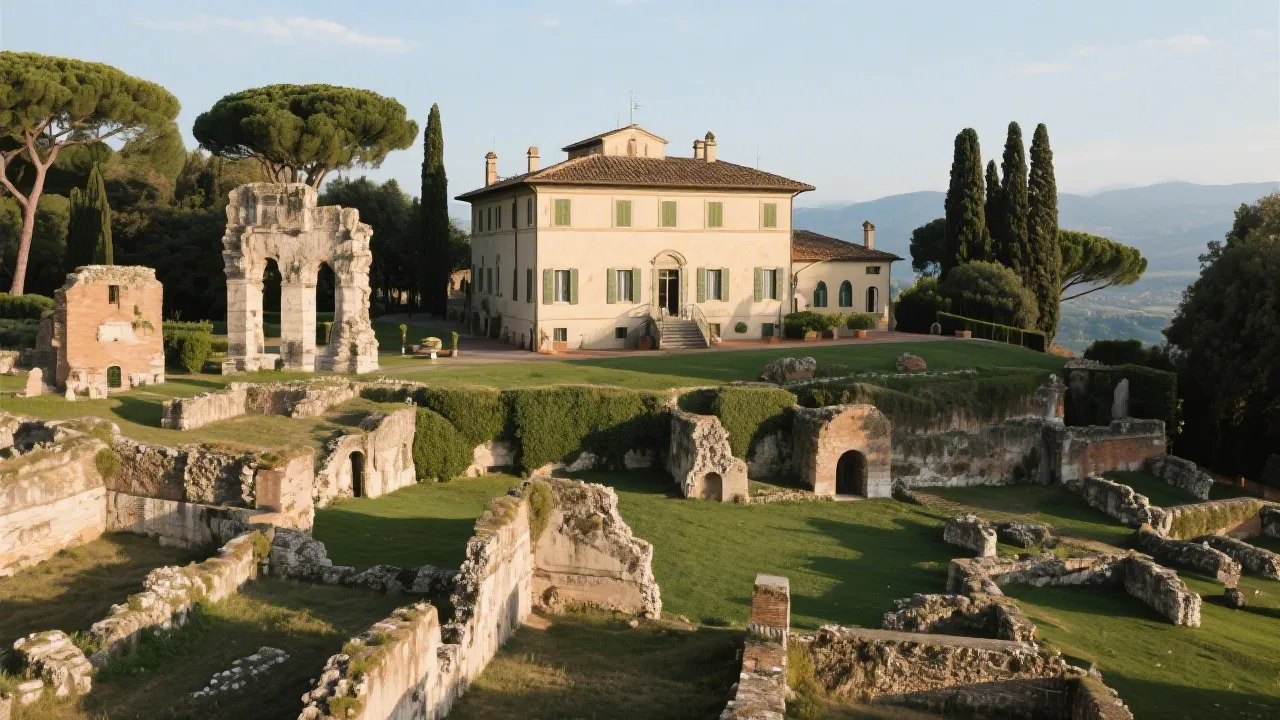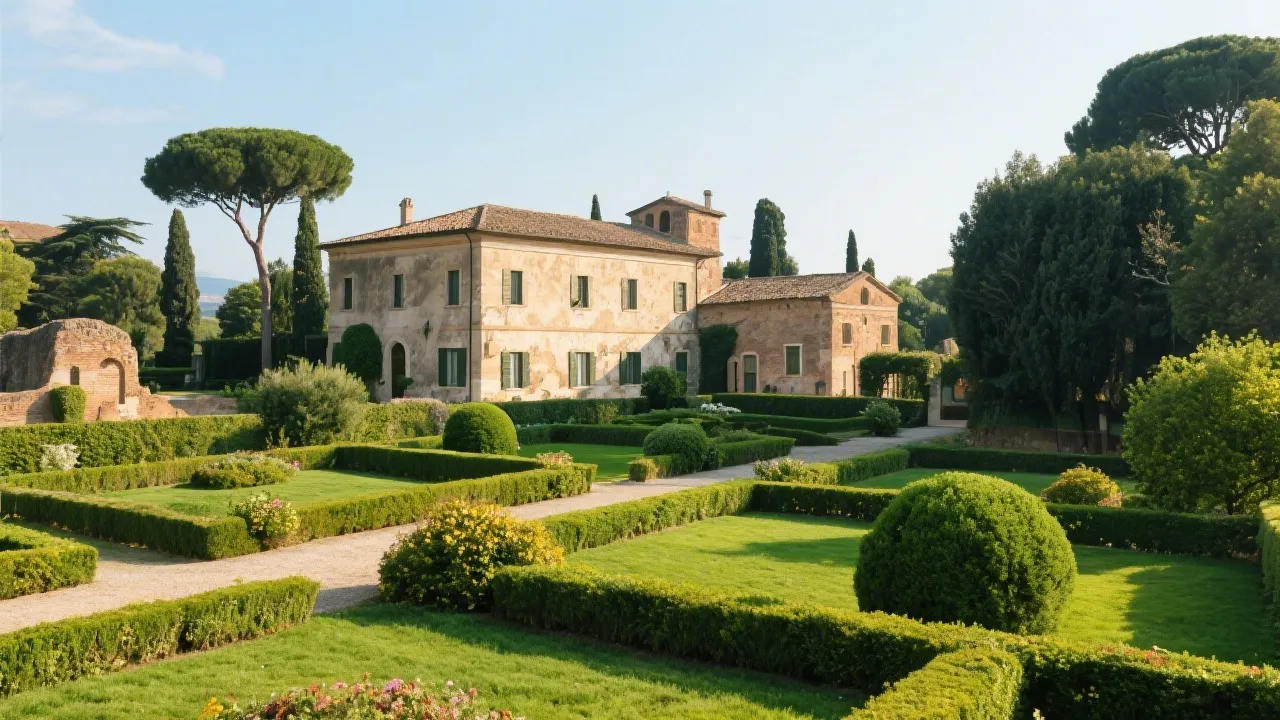
Discover the Legittimo Vila Romana
Legittimo Vila Romana is a quintessential representation of Roman architectural elegance located in the serene landscapes of Italy. This article delves into its historical significance, architectural features, and cultural impact, providing a guide for those interested in exploring its grandeur and understanding its role in Italian heritage.
Exploring the Legacy of Legittimo Vila Romana
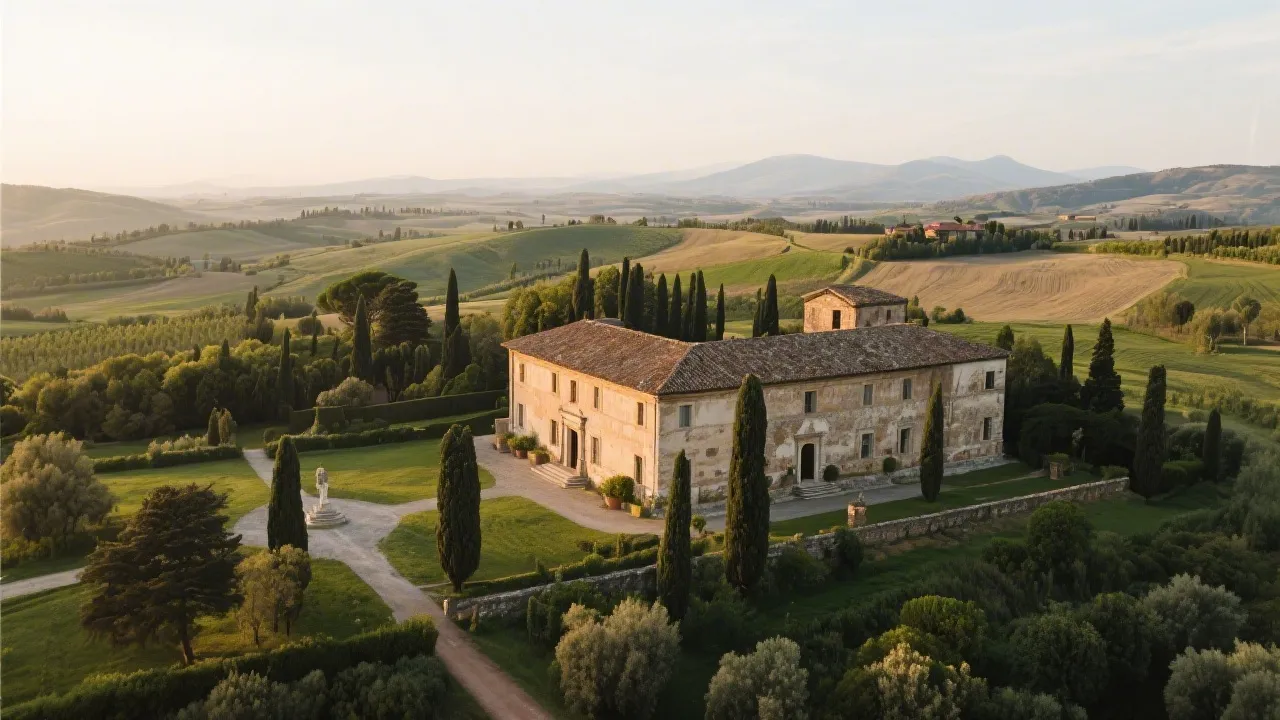
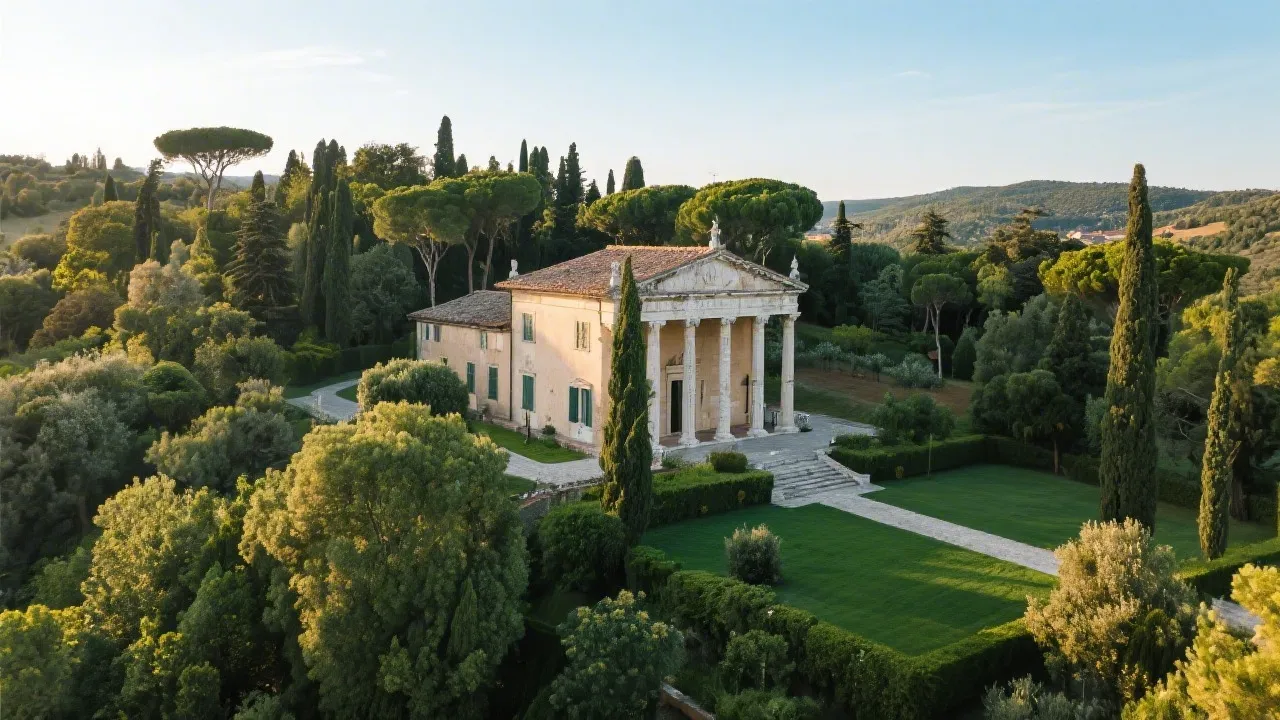
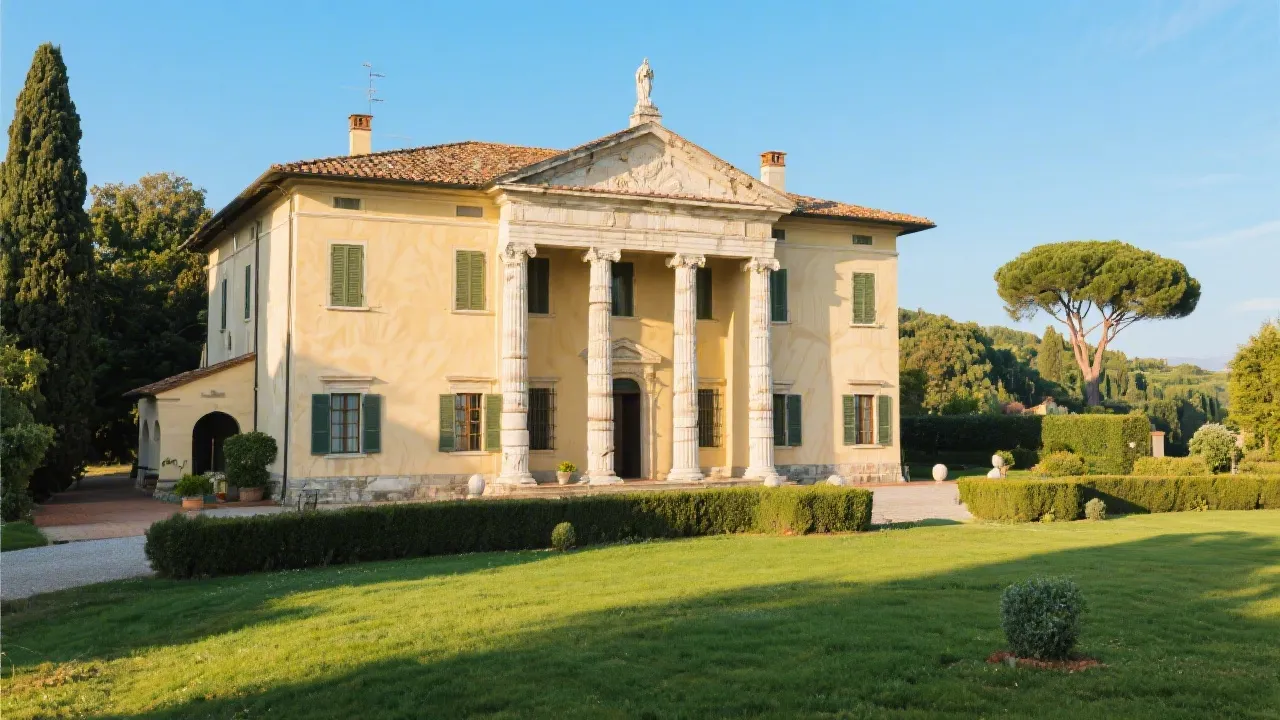
The Legittimo Vila Romana stands as a monumental symbol of ancient Roman architectural brilliance, nestled amidst the picturesque environs of Italy. This villa epitomizes the skill and grandeur of Roman architecture, blending functionality with timeless beauty. It serves not only as a reminder of past opulence but as a beacon of cultural heritage that continues to captivate historians and tourists alike. The villa's intricate designs and historical context give it a unique position in the study of ancient civilizations and their contributions to modern society.
Architectural Splendor and Design
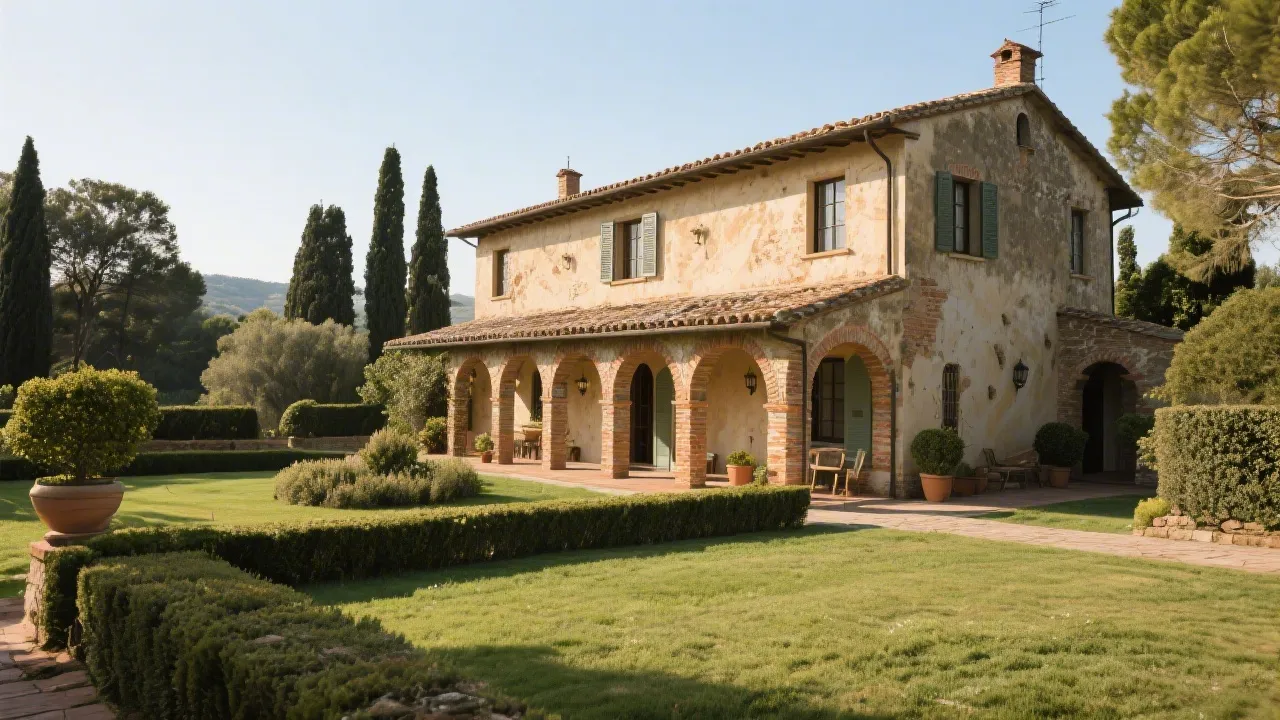
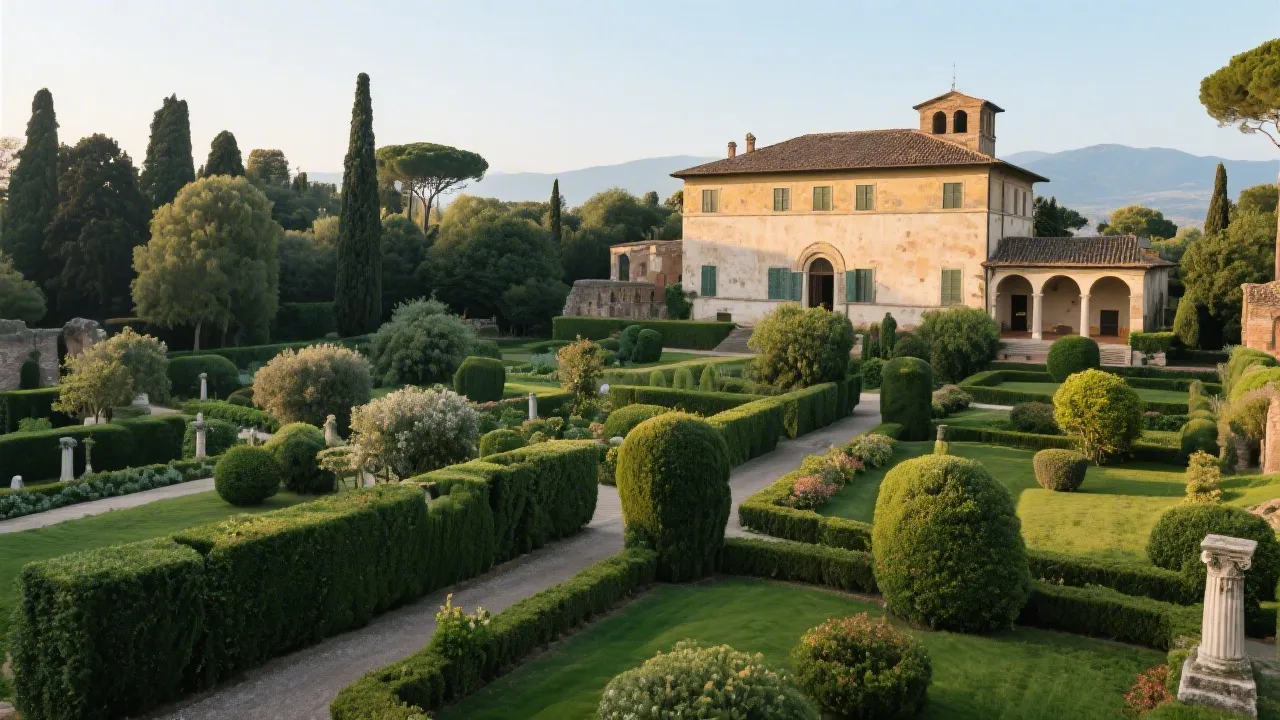
This villa, with its intricate mosaics and expansive porticos, showcases the distinctive elements that define Roman architectural style. Featuring spacious atriums, elegant fountains, and meticulously curated gardens, Legittimo Vila Romana reflects the artistry and attention to detail characteristic of Roman construction. The use of natural materials harmoniously blends the structure with the surrounding landscape, adding to its aesthetic appeal. The choice of local stone and marble, which were prevalent in Roman architecture, not only reinforced the building's durability but also enhanced its visual richness. The interplay of light and shadow created by the villa's thoughtful design continues to inspire contemporary architects and designers today.
One of the key features that sets the Legittimo Vila Romana apart is its seamless integration of indoor and outdoor spaces, a testament to the Romans' advanced understanding of spatial design and lifestyle enhancement. The villa's layout optimizes natural light and ventilation, creating an inviting atmosphere that has been cherished through the centuries. This open concept blurring the lines between the interior and exterior is particularly evident in the design of the peristyle gardens, which were often the focal point of the villa. These verdant spaces, adorned with flourishing plants and decorative water features, offered a serene environment for relaxation and socialization.
The mosaics found throughout the villa provide another insight into Roman aesthetics; they reflect intricate artistry and symbolism that extend beyond mere decoration. Often depicting scenes from mythology, nature, or daily life, these mosaics tell stories of the past that resonate with contemporary themes of beauty, power, and tranquility. The various patterns and color palettes represent not only the artistic techniques of the time but also reveal much about the societal values and cultural practices of the Romans.
Historical and Cultural Significance
The villa is more than just an architectural feat; it is a treasure trove of history. Serving as a residence in ancient times, it was a hub for social gatherings, trade, and political discourse. Archaeological finds within the villa provide invaluable insight into the social customs and daily life of its era. The mosaic floors, for instance, often depicted not only artistic beauty but also served as status symbols for the families that resided there. Items such as pottery, tools, and even remnants of clothing found during excavations offer context for the everyday activities and economic practices of the villa's inhabitants. This historical significance, coupled with its exquisite design, makes it a focal point of study for scholars and archaeologists.
Moreover, the Legittimo Vila Romana serves as an archive of historical transition from the Roman Empire to the later periods of history. As different cultures and peoples engaged with this site, they left their marks, which can be seen in subsequent alterations and restorations of the villa over the centuries. The villa's continued presence through various political and social changes offers insight into Italy's enduring legacy and the resilience of Roman architecture. The preservation of such sites allows modern-day visitors to walk through history and visualize this vibrant past in a way that books alone cannot convey.
A Symbol of Italian Heritage
The Legittimo Vila Romana is crucial in understanding Italy's rich history and cultural evolution. As a landmark, it contributes significantly to Italy's tourism, drawing innumerable visitors eager to immerse themselves in its mesmerizing allure. Its preservation serves as a testament to the country's commitment to maintaining historical integrity while promoting educational tourism. Locals and tourists alike benefit from a narrative that is not just confined within the walls of the villa but spills into the broader context of the region's history, including its influence on arts, policies, and society through the ages.
Educational programs are often held at the site, focusing on various aspects of Roman history, archaeology, and architecture. These programs aim to engage both visitors and locals, fostering a deeper appreciation for the cultural heritage represented by the villa. With schools, universities, and cultural organizations partnering with preservation entities, the villa serves as a living classroom. This interaction between the past and the present encourages a continuous dialogue about historical context and contemporary relevance, bridging generations.
Comparative Analysis
| Aspect | Legittimo Vila Romana | Similar Villas |
|---|---|---|
| Architectural Style | Roman | Varies (e.g., Gothic, Renaissance) |
| Material Usage | Natural stone, marble | Locally sourced materials |
| Cultural Impact | Rich Roman history | Varies by region |
| Tourism Influence | High | Moderate to high |
| Preservation Status | Well-preserved and maintained | Varies (some in disrepair) |
| Visitor Engagement | Educational programs and tours | Basic guided tours |
| Architectural Features | Open-air peristyle gardens, intricate mosaics | Varied features based on region |
| Historical Relevance | Key to Roman heritage | Varies by architectural significance |
Conclusion
Legittimo Vila Romana is not just an architectural wonder but a crucial part of Italy's historical narrative. It represents both the grandeur of ancient times and a continuous lineage of cultural appreciation that has transcendently passed through generations. Its enduring legacy ensures that it remains a poignant symbol of Italian history, resonating with those who seek to explore and understand the depths of human achievement in the realms of art, culture, and architecture. As we reflect on the villa’s significance, it becomes clear that it is not merely a structure of stone and mortar; it is a testament to the ingenuity and creativity of the human spirit, a reminder that our past continues to inform our present and shape our future.
FAQs
What makes Legittimo Vila Romana unique among Roman villas?
Legittimo Vila Romana stands out for its exquisite fusion of architectural design and cultural heritage. It uniquely encapsulates the grandeur of Roman ambiance through its intricate designs and well-preserved condition, offering a vivid glimpse into ancient Rome's lifestyle and aesthetics. Its unique architectural features, coupled with the stories held within its walls, render it a significant site of study and admiration.
Is Legittimo Vila Romana accessible to tourists?
Yes, Legittimo Vila Romana is open to tourists and offers a fascinating journey through Roman history. Guided tours provide insights into its architectural features, historical context, and cultural significance. However, due to preservation efforts, certain areas may be restricted to ensure the integrity of the site. Visitors are encouraged to check the official website for updated information on accessibility and scheduling.
How does the villa contribute to the local economy?
As a significant tourist attraction, the villa boosts the local economy through tourism-related activities, including guided tours, hospitality services, and cultural events, providing employment and fostering economic growth in surrounding regions. The influx of visitors stimulates local businesses, from cafes and restaurants to shops selling artisanal crafts, promoting a thriving community centered around a shared cultural heritage.
What do the archaeological findings at Legittimo Vila Romana reveal about Roman society?
Archaeological discoveries at Legittimo Vila Romana reveal much about the daily lives, social structures, and economic practices of the Romans. Items such as cooking utensils, dining ware, and personal artifacts illustrate the domestic activities and cultural practices of the villa's inhabitants. Additionally, the presence of luxury items indicates a stratified society where wealth and status played pivotal roles in daily interactions.
Are there events held at the villa throughout the year?
Yes, Legittimo Vila Romana hosts various events and workshops, including historical reenactments, art exhibitions, and cultural festivals. These events serve to engage the public with the villa's history and bring the ancient world to life. The integration of modern artistic expressions with ancient traditions fosters a dynamic appreciation of Italy's cultural legacy, making the villa a living museum of sorts.
How do conservation efforts protect Legittimo Vila Romana?
Conservation efforts at Legittimo Vila Romana include regular maintenance of its structures, archaeological research, and controlled access to vulnerable areas. Conservationists employ state-of-the-art techniques to monitor the site’s condition, ensuring that both natural and human-induced factors do not compromise its integrity. Public awareness campaigns also educate visitors on the importance of preserving this cultural gem for future generations.
Can you explain more about the mosaics found in the villa?
The mosaics of Legittimo Vila Romana are among its most captivating features, offering insights into the artistic techniques and cultural values of ancient Rome. These mosaics often depict elaborate scenes from mythology or nature, showcasing the artisans' skill and attention to detail. The vivid colors and intricate patterns illustrate the importance of art as a status symbol within Roman society, as well as the social and cultural narratives conveyed through their depiction. Analyzing these mosaics allows historians to gather insights into the aesthetics and thematic preferences of the time.
What role did the villa play in ancient Roman politics and society?
Legittimo Vila Romana likely functioned as both a residence and a social hub, where prominent figures congregated for discussions on politics, culture, and trade. The placement of the villa would have provided strategic advantages for its owners, facilitating interactions with influential individuals and opportunities for networking. Given the public spaces designed for gatherings, the villa embodied the sociopolitical dynamics of the era, acting as a microcosm of Roman society.
Are there opportunities to learn more about ancient Roman architecture at the villa?
Absolutely! Visitors can engage in specialized guided tours and workshops centered around Roman architectural techniques, materials, and their lasting impacts on modern design. The villa serves as a platform for architectural scholars and enthusiasts to explore the innovations that defined the Roman era, including discussions on materials, structural integrity, and design principles that continue to influence contemporary architecture. These learning opportunities enrich the visitor experience and deepen public understanding of the era’s architectural significance.